
Maya crafts: 10 towns in Yucatán born to create
Maya crafts are a mirror of the culture: pottery, textiles and embroidery. Discover the techniques and the 10 towns in Yucatán where you can find and buy them.

Maya crafts are proof of the boundless creativity of the Yucatecan people. Discover what they are and the incredible places across the state where you can find them.
The artisans of Yucatán’s towns carry a generous tradition that led them to create works of art rooted in ancient techniques.
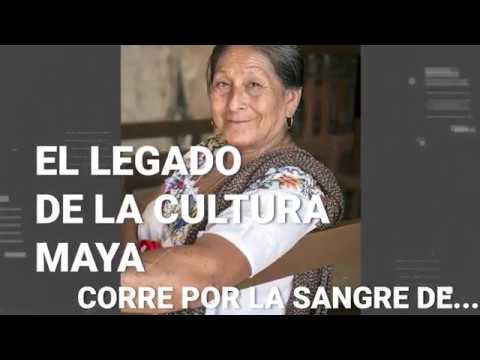
The legacy of Maya culture runs through the blood of talented hands devoted to making Maya crafts with techniques passed down, proudly, from their ancestors.
These incredible Maya crafts appear in ceramics, objects of henequen, wood and stone; huipiles, skirts, ponchos, shawls and other textiles in a wide range of vivid colours.
Most of the crafts of Yucatán’s towns have refined their Maya heritage to make works that, while not museum pieces, are part of a tradition that evolves with time, tourist demand and the state’s promotion.
Today, several towns in Yucatán have found in making Maya crafts a way to share Yucatecan culture with visitors and to preserve the creative art.
The most common materials and techniques of Maya crafts on the peninsula

“You recognise a work of art by its own life. A work of art with no life is not a work of art.” — Mathias Goeritz
The hammock
The hammock is among the best-known Maya crafts and a fixture of life in Yucatán.
Its name was introduced by the Spanish after their time in the Antilles, when they came across these curious objects woven from strips of bark.
The hammock — whose name means “tree” in Haitian — has become an important craft object and a way of life.
Hand in hand with the climate and with creativity, the hammock became essential because of the intense heat of the region.
The value of the hammock in Yucatecan daily life is not only for rest; it also represents more than four centuries of generations rocking their sleep among woven threads.
Hammocks hang from wall to wall, like bridges. The habit of sleeping in a hammock goes back to the Spanish colonisation of Yucatán; its use has been so everyday that there are guides on how to sleep in one, or even for couples — the “Maya sutra”.

Each hammock is unique thanks to the weaving method. The price depends directly on size (single, double, king) and material (cotton, nylon, silk). They range from 500 to 2,000 pesos.
Read: Tianguis Turístico 2020: the biggest fair in the industry, in Yucatán for the first time.
Embroidered and woven textiles, a gift from the Maya gods
Like the hammock and its materials, Yucatán holds many techniques and natural resources for making a great diversity of Maya crafts inspired by ancestral culture and mestizaje.
Henequen is another source of inspiration. With this plant, people made a wide range of everyday objects such as ropes and bags. Today, artisans use it for bags, shoes, tablecloths, baskets and rugs.
In Yucatán, craftmaking draws on resources produced by the peninsula’s soil. Henequen, bejuco vine and palm are the artisans’ favourites for weaving brooms, baskets, satchels or hats.
But weaving in Yucatán also includes embroidered textiles, using finer materials for decoration or clothing.
Legend says the Maya moon goddess “Ixchel” gave women the gift of weaving. Using backstrap looms, it was essential that pieces carry sacred or mystical symbols; those elements were revealed to the weavers in dreams.
A popular example of Maya textile art in Yucatán is the huipil, the traditional dress of Indigenous Mexican women par excellence.

Yucatecan huipiles are famous for their embroidery, which blends the pre-Hispanic era with the Spanish imposition.
The guayabera is the male counterpart of the huipil. Its main material is cotton or linen, and it is worn alongside the huipil for special or traditional Yucatecan events.
Embroidery techniques include xokbil-chuy (counted thread) or cross-stitch, and openwork or drawn-thread work (xmanikté).
The cost of any embroidered garment ranges from roughly 400 to 1,800 pesos for the more affordable ones.
Read: Haciendas in Yucatán to stay in on a journey back in time.
Renewable peninsula resources for making Maya works of art
There are four main woods used to make Maya crafts in Yucatán’s towns: cedar, mahogany, tamay and zapote. The varied vegetation means life in Yucatán is marked by a range of trees and, therefore, wood to work with.

In pre-Hispanic times, the ancient Maya carved wood to make common tools, musical instruments and furniture decorations.
Ceramics and clay are also typical of several Maya towns and markets in Yucatán. To work the earth, artisans use a wheel called K’abal: a small rectangular table with a disc controlled by the feet to spin and shape the clay.
The main places where Maya crafts are made are Ticul, Uayma, Maxcanú, Calkiní, Mama and Dzidzantún.
The infinite wisdom of Yucatán’s people has perfected work with almost any material nature provides. That is why metalwork could not be missing, for crafting jewellery to adorn traditional mestiza dress.
As with hammocks, metalwork has a Spanish precedent; still, the Maya created their own version to adorn the women and men who wear the pieces.
Other popular items are Maya crafts made of stone, shells and snails, as well as leatherwork, tortoiseshell and bull horn.
10 towns in Yucatán to buy and discover Maya crafts
1. Dzityá
In this town 10 minutes from the capital, the specialty is carved wood and stone. Common products include tortilla holders, vases, sauce dishes and molcajetes. The annual Tunich Craft Fair is the ideal place to see Dzityá’s output. You will also find jewellery and handmade textiles. Dzityá is 24 kilometres from Mérida.
2. Tixkokob
The ideal place to buy a hand-woven hammock — but not only that, since it also offers plenty of food (relleno negro, venison dzic, escabeche) and sights such as the Aké archaeological zone. Just east of Mérida, 30 kilometres away, Tixkokob is known for its many hammock shops and its range of weaving materials.
3. Pisté
The best place to buy basketry made with the millennia-old techniques of the ancient Maya. In Pisté you will also find objects carved in wood and stone. 55.2 kilometres from the capital.
4. Kimbilá
A few kilometres from Izamal, artisans work with wood, but Kimbilá mainly makes garments such as the traditional guayaberas. Just 55.8 kilometres from Mérida, Kimbilá found its ancestral voice in textile embroidery that has boosted local jobs. Here you will find fine ternos, guayaberas and huipiles in crisp, delicate fabrics.
5. Izamal
In Izamal, artisans mainly work with henequen fibre for baskets, keyrings and rugs, and cocoyol for jewellery and ornaments. “Raíces Mayas” is where you can buy products from various Izamal workshops. The town is 67 kilometres from the capital.

We recommend: Art and design at your feet — do you know Ticul shoes?
6. Ticul
If you are after shoes and bags, Ticul has a wide variety of styles and colours that reveal each artisan’s personal vision. These products are handmade, and across the town you will see small family workshops. It is 89 kilometres from Mérida.
7. Valladolid
In this city you can find any of the Maya crafts mentioned above — from traditional clothing like huipiles, guayaberas or huaraches to jewellery, cocoyol, wood, stone and leatherwork made with the oldest Maya techniques. Valladolid is 159.5 kilometres from Mérida. Don’t miss this magical town, which still keeps its colonial style.
8. Uayma
Uayma is the perfect place to find beautiful pottery. Walk its streets and its houses of wood and palm and you will find an important Maya legacy. Very close to Valladolid, 12.9 kilometres away.
9. Ebtún
If you are looking for Maya crafts, this town specialises in weaving with fibres, a technique passed from generation to generation to this day. You will find containers, lamps, baskets and more. 165 kilometres away.
10. Chemax
Here the favourite Maya crafts are carved wooden figures — animals, humans or plants. Chemax is 186 kilometres away.
We recommend: 14 Yucatecan words and phrases to talk like a local.
At archaeological sites such as Ek Balam or Chichén Itzá, in Mérida’s historic centre and almost anywhere on the Yucatán peninsula, you will find places selling Maya art and crafts.
When it comes to Maya crafts, Yucatán leads the creative output of this tradition. In 106 municipalities and their outlying villages, people have found their identity in making unique pieces.
The crafts of the Maya and of Yucatán’s towns are the pride of thousands of women and men who were born to create.
Related articles

The traditions of Yucatán month by month
The calendar of Yucatán's festivals and traditions, January to December: Candelaria, Carnival, Hanal Pixán, the guilds, the Chichén equinox and the vaquería season.

The origin of Yucatecan bombas and why they're still alive
Where Yucatecan bombas come from: roots in the Spanish couplet, the rhythm of the jarana, the henequen-hacienda vaquería, and why this oral tradition hasn't died.

Yucatán crafts: what to buy and in which town
A guide to Yucatán crafts by town: hammocks from Tixkokob, embroidered hipiles from Tenabo, Ticul pottery, Dzityá woodcarving and filigree jewellery, with prices and tips.